Tag: WireGuard

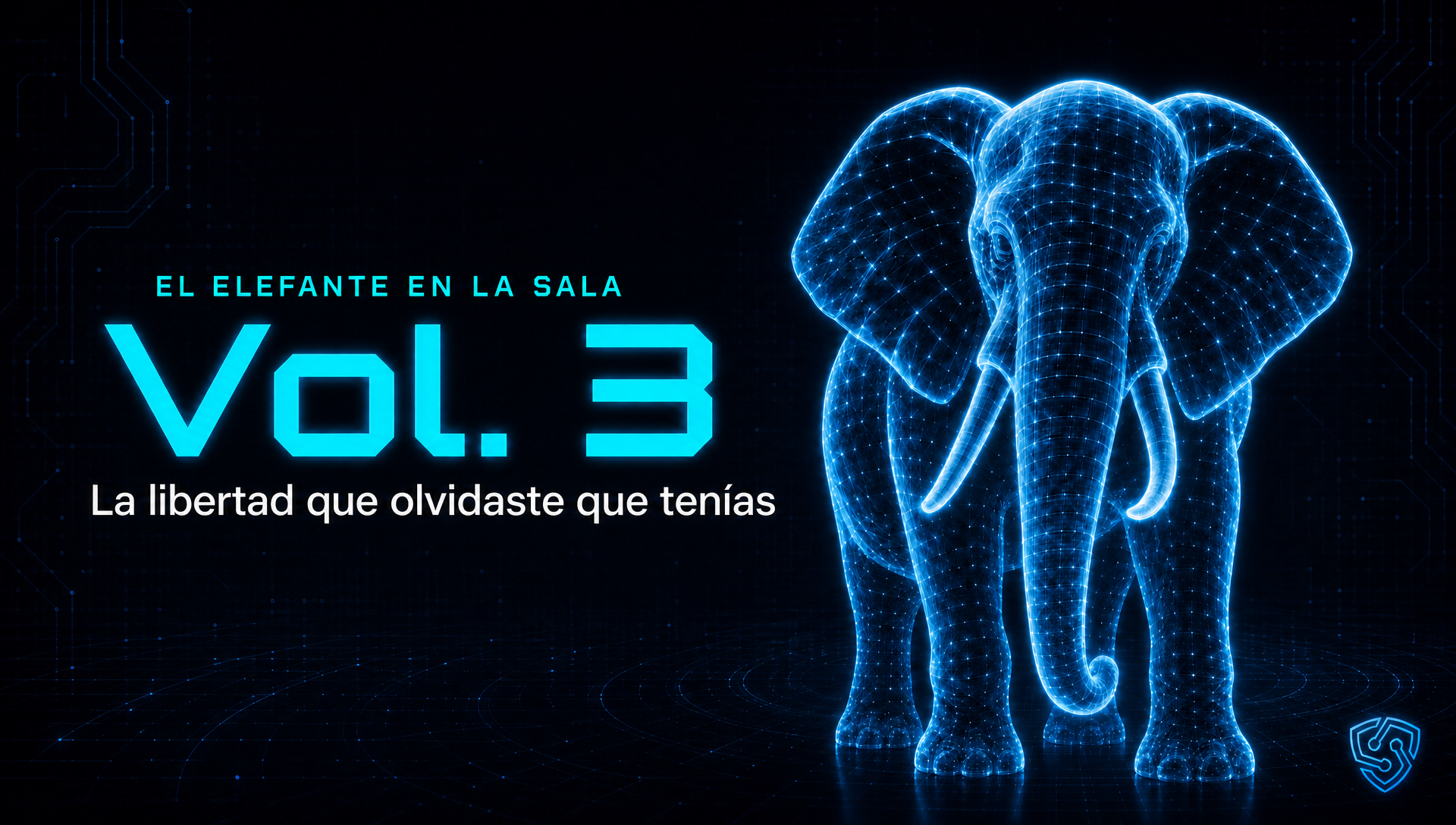
  • El Elefante en la Habitación, Vol. 3: La Libertad que Olvidaste que Tenías

    El Elefante en la Habitación, Vol. 3: La Libertad que Olvidaste que Tenías

    Medio: gryhat.com / need2know (ES) · Autor: AndyTheAIGuy · Fecha: 5 de septiembre de 2026 Apunta a: citadelcyber.ai/es (Citadel VPN & WiFi Security) Nota legal: cada dato concreto es de dominio público; la lectura sobre el estado de vigilancia va como opinión + pregunta. No convertir en acusación directa.


    EL VOL. 1 FUE TU ARCHIVO .ENV, EXPUESTO EN UN DIRECTORIO PÚBLICO. EL VOL. 2 FUE TU PRODUCTO ENTERO, CLONADO DESDE UNA GRABACIÓN DE PANTALLA. ESTE NO ES UNA VULNERABILIDAD. ES LO QUE ESTÁ DETRÁS DE LAS DOS — ESO QUE AQUÍ EN ESTADOS UNIDOS CASI NUNCA TENEMOS QUE PENSAR.

    Esta semana, dos gobiernos prohibieron nuestra app.

    China la sacó de su App Store. Rusia ya lo había hecho un par de meses antes. Ambos países exigen que los proveedores de VPN tengan una licencia estatal — una que solo pueden obtener las empresas nacionales, una que pone el tráfico del usuario bajo vigilancia del gobierno. Somos una empresa de Estados Unidos. No calificamos para esa licencia, y no la habríamos aceptado. Así que nos prohibieron.

    Lo tomé como una medalla de honor y seguí adelante.

    Y entonces pasó algo que nunca planeamos.

    La gente para la que nunca fue hecha

    En los días posteriores a las prohibiciones, empezamos a ver descargas desde dentro de esos países. Profesionales de seguridad. Gente común. Personas cruzando el muro con una pequeña app de Orange County que jamás fue diseñada para ellas — solo para tocar el mundo de afuera un momento.

    Ni siquiera puedo ponerles servidores rápidos cerca todavía. Pero está pasando, y me dejó helado. Porque significa que eso que aquí tratamos como opcional, es lo que alguien más arriesga algo para conseguir.

    Aquí tratamos la privacidad como una preferencia. Un ajuste. Un lujo que activas para saltarte un anuncio o ver una serie bloqueada. Discutimos sobre ella como si fuera un lujo — porque para nosotros, lo es.

    En otro lugar, es un salvavidas.

    Mientras tanto, aquí en casa

    Aquí está la mitad incómoda. Nadie tuvo que prohibir nada para vigilarnos a nosotros. Nos ofrecimos solitos.

    Cada app, cada tarjeta de lealtad, cada “aceptar todo” alimenta a un corredor de datos. Vender tu comportamiento por renglón no es un efecto secundario de su negocio — es su negocio, y la FTC lo tiene documentado desde hace años. Los gobiernos ni siquiera necesitan una orden judicial para conectarse a esa manguera: un informe de 2022 de la Oficina del Director de Inteligencia Nacional describe cómo las agencias simplemente compran datos comercialmente disponibles sobre los estadounidenses. Y empresas como Palantir construyen las plataformas que unen esos datos en una sola pantalla para el gobierno — sus contratos de Gotham y Foundry con agencias como ICE y el Ejército de EE. UU. son de dominio público.

    Ahora súmale la construcción de “IA”: cientos de miles de millones de dólares en nuevos centros de datos, y el proyecto Stargate anunciado en medio billón. Nos dicen que todo es para cómputo.

    No te voy a decir para qué son esos centros de datos. Solo te pido que notes algo: no necesitas un estadio de servidores siempre encendidos para escribir correos y hacer imágenes. Una infraestructura siempre encendida que ingiere todo, para siempre, es muy buena para una cosa en particular. Pregúntate quién la paga, y por qué.

    Eso no es una acusación. Es una luz. Ya estaba ahí.

    Qué hacer de verdad

    El objetivo de esta serie nunca es dejarte con miedo. Es dejarte con algo que hacer.

    • Sabe en qué red estás. Antes de confiar en una red, averigua quién más está en ella y qué está expuesto. Es un escaneo de 15 segundos, no un proyecto de investigación. (Es literalmente lo que hace Citadel.)
    • Cifra por defecto. Una VPN no te hace invisible, pero hace que la red en la que estás deje de poder leerte. WireGuard, cifrado moderno, cero registros. Enciéndela y olvídate.
    • Lee antes de “aceptar todo.” El permiso que ojeas es el permiso que diste.
    • Apoya las herramientas que hacen de la privacidad lo predeterminado, no el extra de pago. Votas con lo que instalas.

    El derecho a saber si estás expuesto. El derecho a hablar sin ser vigilado. El derecho a defenderte. No nos los ganamos por ser listos — los heredamos. Y una libertad que heredas es la más fácil de dar por sentada, y la más fácil de perder en silencio, un “bah, apágalo” a la vez.

    Tus herramientas de privacidad son el salvavidas de alguien más. Úsalas como tal.

    Hecha en América. Prohibida por los dos gobiernos que más quieren vigilar a su propia gente. Eso no es una frase publicitaria. Es la reseña.

    Escanea tu propia red gratis, y mira lo que de verdad hay en ella, en citadelcyber.ai/es.

    — GRYHAT. Lo hacemos bien a la primera.
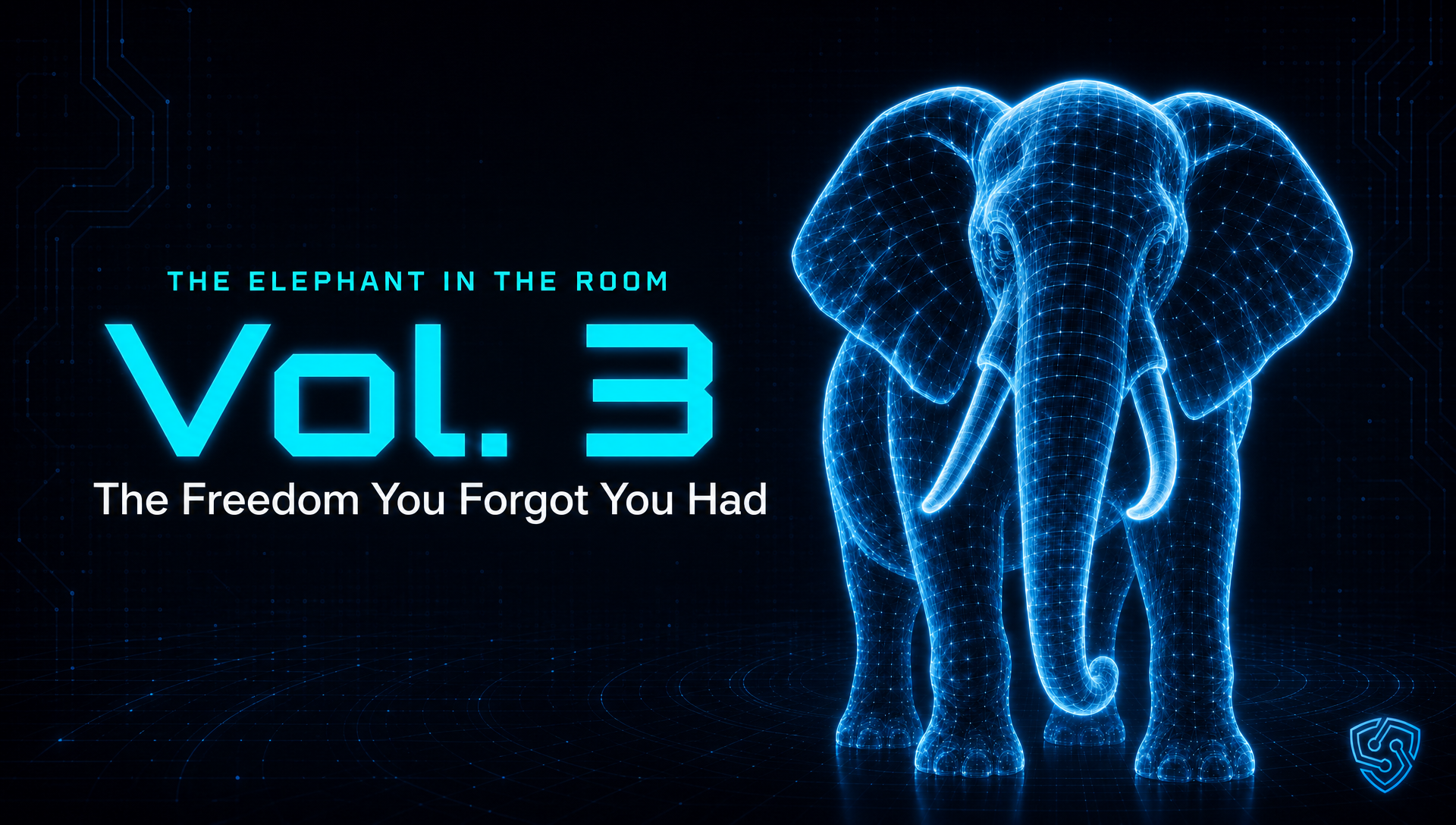
  • The Elephant in the Room, Vol. 3: The Freedom You Forgot You Had

    The Elephant in the Room, Vol. 3: The Freedom You Forgot You Had

    Outlet: gryhat.com / need2know · Byline: AndyTheAIGuy · Date: September 5, 2026 Points back to: citadelcyber.ai (Citadel VPN & WiFi Security) Legal note: every hard fact below is public record; the surveillance-state read is framed as opinion + a question. Do not harden it into flat accusation.


    VOL. 1 WAS YOUR .ENV FILE, SITTING EXPOSED IN A PUBLIC DIRECTORY. VOL. 2 WAS YOUR ENTIRE PRODUCT, CLONED FROM A SCREEN RECORDING. THIS ONE ISN’T A VULNERABILITY AT ALL. IT’S THE THING STANDING BEHIND BOTH — THE ONE MOST AMERICANS NEVER HAVE TO THINK ABOUT.

    This week, two governments banned our app.

    China pulled Citadel from its App Store. Russia had already done the same a couple of months earlier. Both countries require VPN providers to hold a state license — one only domestic companies can get, one that puts user traffic under government oversight. We’re a US company. We didn’t qualify for it, and we wouldn’t have taken it. So they banned us.

    I took it as a badge of honor and moved on.

    Then something happened that we never planned for.

    The people it was never built for

    In the days after the bans, we started seeing downloads from inside those countries. Security professionals. Ordinary people. Folks reaching around the wall with a small Orange County app that was never designed for them — just to touch the outside world for a minute.

    I can’t even put fast servers near them yet. But it’s happening, and it stopped me cold. Because it means the thing we treat as optional over here is the thing someone else will take a risk to get.

    Over here, we treat privacy like a preference. A setting. A nice-to-have you flip on to skip an ad or watch a show that’s blocked. We argue about it like it’s a luxury — because for us, it is.

    Somewhere else, it’s a lifeline.

    Meanwhile, back home

    Here’s the uncomfortable half. Nobody had to ban anything to watch us. We volunteered.

    Every app, every loyalty card, every “accept all” feeds a data broker. Selling your behavior by the row is not a side effect of their business — it is their business, and the FTC has documented it for years. Governments don’t even need a warrant to tap that firehose; a 2022 report from the Office of the Director of National Intelligence describes how agencies simply buy commercially available data on Americans. And companies like Palantir build the platforms that stitch that data into a single pane of glass for the government — its Gotham and Foundry contracts with agencies like ICE and the US Army are a matter of public record.

    Now layer on the “AI” buildout: hundreds of billions of dollars in new data centers, the Stargate project alone announced at half a trillion. We’re told it’s all for compute.

    I’m not going to tell you what those data centers are for. I’ll just ask you to notice something: you don’t need a stadium of always-on servers to write emails and make pictures. Always-on infrastructure that ingests everything, forever, is very good at one particular thing. Ask who’s paying for it, and why.

    That’s not an accusation. It’s a light. It was already there.

    What to actually do

    The point of this series is never to leave you scared. It’s to leave you with something to do.

    • Know what you’re on. Before you trust a network, find out who else is on it and what’s exposed. That’s a 15-second scan, not a research project. (It’s literally what Citadel does.)
    • Encrypt by default. A VPN doesn’t make you invisible, but it makes the network you’re on stop being able to read you. WireGuard, modern ciphers, zero logs. Turn it on and forget it.
    • Read before you “accept all.” The permission you skim is the permission you gave.
    • Back the tools that make privacy the default, not the upsell. You vote with what you install.

    The right to know if you’re exposed. The right to speak without being watched. The right to defend yourself. We didn’t earn those by being clever — we inherited them. And a freedom you inherit is the easiest one to take for granted, and the easiest one to lose quietly, one “eh, just turn it off” at a time.

    Your privacy tools are somebody else’s lifeline. Use them like it.

    Made in America. Banned by the two governments that most want to watch their own people. That’s not a marketing line. That’s the review.

    Scan your own network free, and see what’s really on it, at citadelcyber.ai.

    — GRYHAT. We build it right the first time.